Industrial Property Appraisals
Get a clear, supportable value for warehouses, flex space, and other industrial buildings across Fort Lauderdale and Broward County.
Get a clear, supportable value for warehouses, flex space, and other industrial buildings across Fort Lauderdale and Broward County.
Commercial Appraisal Group Company provides industrial property appraisals in Fort Lauderdale, FL for owners, buyers, lenders, attorneys, and estates who need a supportable value for a warehouse, flex building, or other industrial site. Our reports are USPAP-compliant and built on a property inspection, comparable sales research, and current market data. To get started, call or send a request with the property type, its general location, and what the value will be used for.
Most people reach this page because a decision is waiting on a number. A lender wants a valuation before closing. A partnership is splitting ownership. A tenant has asked to buy the building, or a property tax or insurance conversation has stalled. Industrial buildings are harder to value from a distance than a house or a small office, because clear height, loading, zoning, and lease terms can shift value in ways a quick online estimate misses. A written appraisal gives everyone at the table the same documented starting point.
An industrial appraisal estimates what a property is worth based on how it performs and how comparable buildings have traded or leased nearby. For Fort Lauderdale, FL assignments, that usually means looking at the following:
Industrial is a wide category. The right comparables for a small bay building are different from those for a larger distribution space, so the property type shapes the whole analysis.
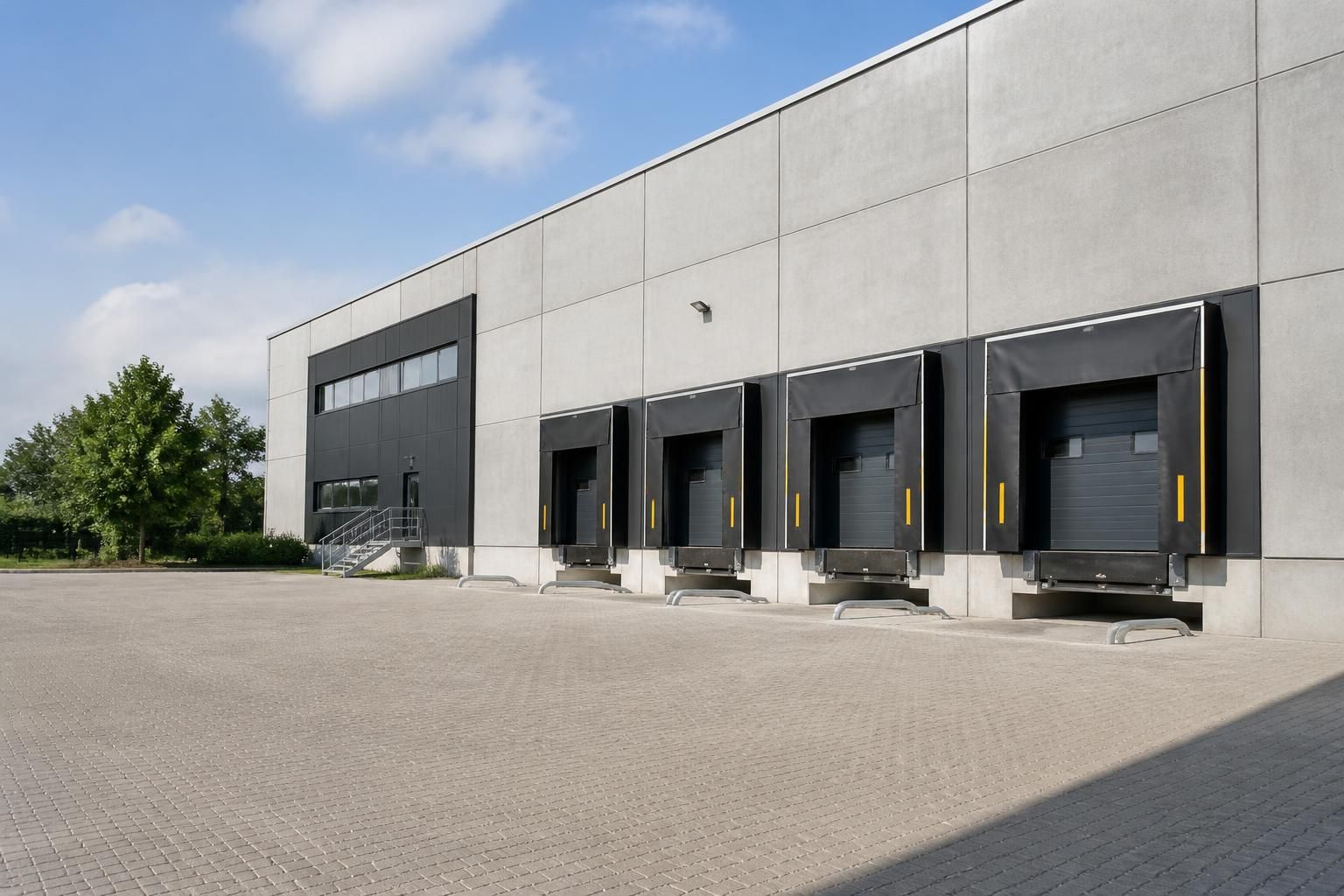
These properties are judged largely on clear height, door count, truck access, and how easily goods move through the building. Location relative to major roads matters, and so does how much of the building is open storage versus finished space.
Small-bay and flex buildings often mix office, showroom, and warehouse in one unit. Value tends to depend on the tenant mix, the lease structure, and how the unit split affects rentable area. We look at the income picture and the physical layout together.
Timing depends on property complexity, how quickly records arrive, and the appraiser's schedule. Ask for the expected delivery window when you first call.
These two get mixed up often. A full industrial appraisal is a formal report with a detailed inspection, comparable analysis, and documented reasoning. A market value opinion is a more limited look at where a property is likely to land. We offer both, and this page focuses on the full appraisal. If you are unsure which fits your situation, an appraisal consultation is a sensible first step.
Neither one is a building inspection or an environmental study. Those are separate services, so if you need soil, contamination, or engineering findings, ask us how they would fit alongside the valuation.
Fees for industrial work vary because no two buildings take the same effort. The main factors are:
A clear written quote should spell out the property being appraised, the purpose and intended users, what the report will include, the delivery timeframe, and how changes to the scope are handled if the assignment grows or the information changes.
Before you hire anyone for an industrial appraisal in the Fort Lauderdale area, ask these questions:
You do not need to be an appraiser to judge the quality of the work. Look for these standards:
We handle industrial assignments for Fort Lauderdale and surrounding areas, including Hollywood, Pembroke Pines, Miramar, Pompano Beach, Coral Springs, Davie, Plantation, and Boca Raton. Broward's industrial supply is typically tight and varies by submarket, so we pay close attention to which nearby sales and leases genuinely match your property.
It depends on the size and complexity of the property, how fast leases and financials are provided, and the current schedule. A single-tenant warehouse with complete records typically moves faster than a multi-tenant property with gaps in the paperwork.
The fee reflects building and site size, the number of tenants, the complexity of the income data, the purpose of the report, and the delivery schedule. A written quote should list what is included and how scope changes are handled.
Helpful items include leases, a rent roll, recent operating statements, site plans or surveys, tax information, and any recent repair or capital improvement records. If you are missing some, tell us and we will work out what is essential.
There is no single schedule. Owners typically update a valuation when they plan to sell, refinance, bring in a partner, settle an estate, or when market conditions or the property's income change significantly.
Yes. Buyers often want an independent view of value before committing. Send the property details and your purpose, and we will confirm how to set up the assignment.
Yes. We cover Miami-Dade, Broward, and Palm Beach Counties, including the nearby cities listed above. Call or send a request with the property's general location and we will confirm it fits.
Tell us the property type, the city, how the building is used, and why you need the value. We will let you know what is needed to begin and what to expect next. Call or send a request through the online form to get your Fort Lauderdale industrial appraisal moving.

Start Here
Tell us about your property and the purpose of your appraisal. Our team will follow up to discuss the scope, timing, and next steps.